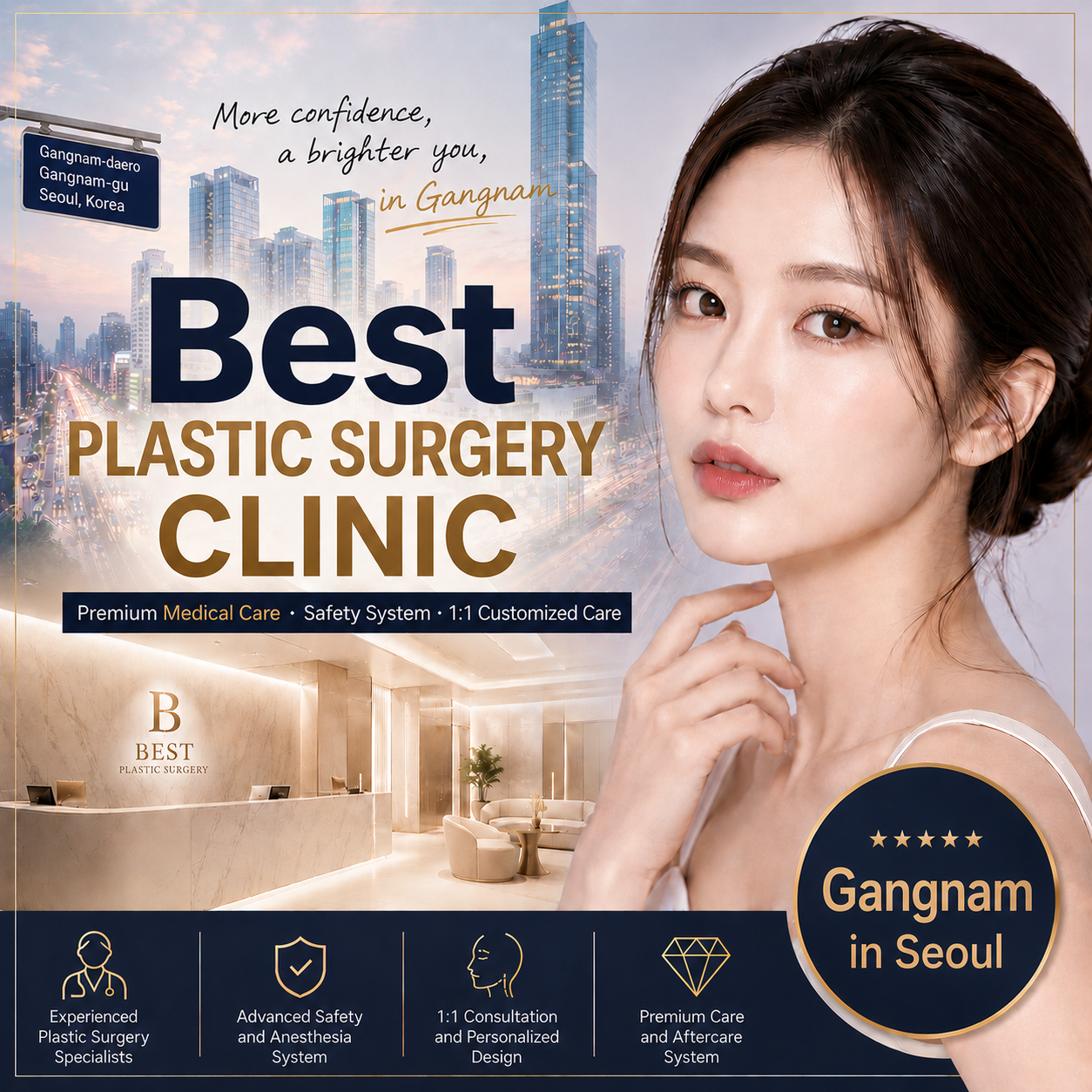
Discover the 100 plastic surgery clinics in Gangnam, Seoul — carefully selected 100
An analytical report on how South Korea’s rigid university hierarchy and discipline specific rankings have engineered one of the most intellectually dense and technologically advanced medical ecosystems on Earth.
In South Korea, higher education is defined by an absolute and unyielding hierarchy. At the pinnacle stands the institutional triad known as S.K.Y. (Seoul National University, Korea University, and Yonsei University), consistently ranked among the top 100 globally in major university assessments. However, a deep evaluation of department specific admissions reveals a unique socio cultural phenomenon: the absolute lowest-ranked medical school in the country outscores the highest-ranked engineering and natural science departments at Seoul National University.
This structural reality means that for the past two decades, 100 percent of the nation's top 0.01 percent scorers on the College Scholastic Ability Test (CSAT) have bypassed careers in pure science, semiconductor development, and computing to enter medical infrastructure. The doctors practicing in South Korea represent a hyper concentration of supreme intelligence unmatched anywhere else in the global healthcare market.
The global dominance of South Korean medical tourism is not solely a byproduct of biological science; it is deeply rooted in the nation’s elite engineering standing. According to global subject rankings, South Korea’s chemical engineering, mechanical engineering, and materials science departments consistently rank within the top 20 globally.
When these elite technical frameworks interface with top tier surgical talent, it produces unprecedented innovation. The micro incisions required in facial recontouring, the complex biomechanics utilized in regenerative orthopedics, and the proprietary AI driven mapping found in digital dentistry are all direct products of this multi disciplinary convergence. Korean clinicians do not merely operate; they act as technology architects who apply advanced structural engineering to the human body.
Once inside the medical system, the internal ranking system intensifies. Within Korea’s world class university hospitals, only the topmost honorees and highest ranked residents are permitted to match into fiercely competitive specialties such as plastic surgery and dermatology.
When these elite specialists transition into private practice within the concentrated geographical corridor of Gangnam, they enter a secondary crucible of market competition driven by the world's most demanding consumers. In this environment, an institution cannot survive on marketing alone; survival is predicated entirely on achieving microscopic surgical accuracy and delivering clinical outcomes that mirror academic masterpieces.
Legal Disclaimer
This platform is an independent, English only digital directory and journalistic magazine created purely for informational, educational, and cultural purposes regarding the South Korean medical tourism industry. We are not a medical institution, nor a registered medical referral agency. We do not recommend, endorse, or rank specific clinics, and we do not receive compensation for patient brokerage or tracking. Users are advised to verify all medical credentials and consult with certified professionals before making any healthcare decisions.
The symbolic significance of Gangnam-3-gu (the three southern districts of Seoul: Gangnam, Seocho, and Songpa) extends far beyond mere socioeconomic affluence. This geographic corridor represents the ultimate destination for South Korea’s 'Top-Tier Elites'—a space where intellectual capital and human resources compete and compress with unmatched intensity. Today, the 'K-Clinic' ecosystem, which has established itself as the global mecca of aesthetic medicine, is a direct byproduct of this unique institutional brain drain and structural dynamism.
In the structural fabric of South Korean education and society, medical schools function as a massive black hole attracting the nation's most brilliant minds. Over the past decade, the admissions landscape has solidified a stark reality: even top-tier natural science and engineering admitted scholars at 'S.K.Y.' (the nation’s top three universities) consistently forfeit their enrollments to enter medical schools instead. Perfect scorers on the National College Scholastic Ability Test (CSAT) and those within the top 0.01% bracket invariably choose medicine.
While this domestic 'medical school brain drain' remains a subject of intense socioeconomic debate regarding the balanced distribution of national talent, from an industrial perspective, it has engineered a geometric expansion in the qualitative and quantitative capacity of healthcare—ensuring that the sharpest intellects are deployed entirely to the medical frontlines.
The South Korean medical ecosystem is, by definition, operated by one of the most densely concentrated intellectual cohorts in the world.
Among the vast pool of medical graduates, why does the elite gravity center inevitably default to Gangnam? Gangnam is not merely an affluent district; it is a hyper-competitive platform where the nation’s most discerning consumers reside and where global capital continuously flows.
Within medical spheres, plastic surgery and dermatology are the most fiercely contested specialties, accessible only to the absolute pinnacle of medical graduates. Consequently, the top-tier honorees, chief residents, and prominent professors from major university hospitals choose Gangnam as their ultimate basecamp to manifest their medical artistry.
According to official municipal data, the volume of international patients visiting Gangnam reaches hundreds of thousands annually, with over 70% of those visits concentrated heavily in dermatology and plastic surgery. The demand, which was historically localized within Asia, has expanded drastically to affluent demographics in the United States, Europe, and the Middle East.
The global fascination with K-Clinics stems from a definitive core value: a flawless comprehension of human anatomical structures, micro-surgery techniques honed through tens of thousands of clinical iterations, and an artistic capacity to meticulously decode a patient’s aesthetic desires. This transcends mere 'procedures'—it is a sophisticated 'Medical Technology Architecture' established by the contemporary geniuses of the era.
In conclusion, the 'Gangnam Best 100 Clinics' cataloged within this Cubic is far from a simple directory. It is an intricate blueprint of the 'K-Medical High-End Masterpiece' cultivated by South Korea’s greatest intellectual assets under the crucible of absolute competition. No other city on Earth simultaneously offers this level of elite physician density alongside state-of-the-art infrastructure. This is precisely why the medical institutions of Gangnam stand as the most compelling, safe, and prestigious assets for global high-net-worth individuals and seekers of aesthetic perfection worldwide.
The dental medical sector in Gangnam leads the global market through 'K-Digital Dentistry.' Tailored specifically for international patients with limited travel schedules, major clinics offer groundbreaking 'One-day Smile Design' leveraging 3D CT imaging, oral scanners, and AI-driven aesthetic modeling.
This allows premium veneers, laminates, and non-incision navigation implants to be custom-fabricated and fitted in a single day. Combining meticulous artistic alignment (Smile Line Design) with technological immediacy, it offers an uncompromised luxury experience that redefines the standards of oral healthcare.
Expanding far beyond aesthetic preservation, Gangnam's medical ecosystem encompasses highly specialized orthopedics and joint-spine clinics that focus on structural wellness and non-surgical longevity. Leading institutions attract global elites, professional athletes, and high-net-worth seniors seeking advanced regenerative medicine, including autologous bone marrow stem cell therapies.
By combining precise biomechanical analysis, posture-pelvic alignment programs, and non-invasive pain management, it ensures that patients regain optimal vital function. This completes the ultimate wellness loop, allowing global high-net-worth individuals to achieve both eternal youth and long-term functional physical freedom.
Legal Disclaimer
This platform is an independent, English-only digital directory and journalistic magazine created purely for informational, educational, and cultural purposes regarding the South Korean medical tourism industry. We are not a medical institution, nor a registered medical referral agency. We do not recommend, endorse, or rank specific clinics, and we do not receive compensation for patient brokerage or tracking. Users are advised to verify all medical credentials and consult with certified professionals before making any healthcare decisions.
The reputation of Gangnam's healthcare system is not merely built on academic theories, but on profound, real-world transformations verified by global figures. From Hollywood stars and Olympic athletes to royal families and international influencers, the world's most discerning individuals choose the Gangnam-3-gu medical corridor for unparalleled precision, functional rehabilitation, and aesthetic perfection.
Major Western media outlets, including the BBC and CNN, have extensively documented the phenomenon of Hollywood actors, international supermodels, and mega-influencers quietly flying into Seoul for private anti-aging treatments. Instead of invasive surgeries that require long downtime, these high-profile individuals leverage Gangnam's advanced non-surgical protocols, such as personalized Ultherapy, Thermage, and customized skin-booster cocktails (Juvelook, Rejuran).
"The meticulous, customized approach of Gangnam's dermatologists delivers a naturally rejuvenated look with virtually zero recovery time, making it the ultimate beauty destination for those under the constant glare of the global spotlight."
The official medical tourism statistics from the South Korean Ministry of Health show a consistent influx of royal family members and high-net-worth individuals from the UAE, Saudi Arabia, and Qatar. These VIPs utilize private medical charters to access Gangnam's specialized boutique plastic surgery clinics.
They primarily seek highly sophisticated procedures, such as advanced rhinoplasty using autologous rib cartilage and micro-surgical facial contouring. By offering absolute confidentiality, dedicated multi-lingual medical coordinators, and state-of-the-art aftercare, Gangnam has solidified its position as the ultimate luxury medical haven for the global elite.
Gangnam's orthopedic dominance is widely recognized by international sports figures and chronic pain patients worldwide. A prominent example includes professional athletes from the US, Central Asia, and Europe who visit Gangnam's specialized joint-spine institutions for advanced non-surgical treatments.
The utilization of autologous bone marrow stem cell therapies and highly precise biomechanical rehabilitation has allowed numerous patients to avoid major artificial joint surgeries, successfully returning to their high-performance careers. This has positioned Gangnam as a global pioneer in structural wellness and longevity medicine.
For global C-suite executives, time is the rarest luxury. Gangnam's 'K-Digital Dentistry' has become immensely popular among foreign business leaders who require rapid yet flawless smile restorations.
Leveraging AI-driven oral scanners and 3D printing technologies, international patients undergo complete smile designs, including custom premium laminates and navigation implants, within a single day. This unparalleled speed, combined with master-level aesthetic execution, provides a seamless solution for global professionals demanding absolute perfection on a strict schedule.
Legal Disclaimer
This platform is an independent, English-only digital directory and journalistic magazine created purely for informational, educational, and cultural purposes regarding the South Korean medical tourism industry. We are not a medical institution, nor a registered medical referral agency. We do not recommend, endorse, or rank specific clinics, and we do not receive compensation for patient brokerage or tracking. Users are advised to verify all medical credentials and consult with certified professionals before making any healthcare decisions.
A comprehensive checklist for international patients traveling to the Gangnam 3 gu medical corridor. Follow this structured process from your initial AI chatbot consultation to your final recovery and post care.
Before finalizing your travel plans, browse the Gangnam Top 100 Medical Directory and initiate consultation with clinics that feature integrated AI chatbots.
By consulting with multiple AI chatbots, you can securely submit preliminary inquiries regarding procedures, compare basic pricing structures, and evaluate response efficiency without time zone constraints. Once you select and confirm your ultimate medical institution through this digital screening, proceed to the following operational checklist.
Medical Records Submission: Send your local diagnostic statements, X rays, or CT scans to the confirmed clinic to finalize your surgical plan and receive a binding financial quotation.
Medical Visa Issuance: Request an official confirmation document for patient invitation from your clinic or a registered agency, and apply for a medical visa at the nearest South Korean Embassy.
Financial and Transfer Setup: Verify your overseas credit card limits for large medical transactions and arrange secure international wire paths if necessary.
Dedicated Medical Pickup: Coordinate with your selected clinic to arrange a private vehicle service from Incheon or Gimpo International Airport directly to your accommodation or hospital.
Local Connectivity Setup: Secure a high speed eSIM or local SIM card at the airport, and download localized maps and transportation applications that support multi language interfaces.
Certified Medical Interpretation: Ensure that a medical interpreter certified by the Ministry of Health and Welfare accompanies you through all clinical stages, including in depth face to face consults.
Pre Operative Testing: Undergo comprehensive on site clinical evaluations and carefully review the provided multilingual surgical consent documentation.
Guardian and Meditel Logistics: Confirm proximity arrangements for any accompanying guardians or check into a dedicated medical hotel close to the clinic for immediate post anesthesia rest.
Outpatient Care Schedule: Map out precise dates for post operative swelling management, clinical dressings, and final suture removals.
Curated K Wellness Tour: Engage in light recovery activities, such as premium traditional Korean spas or consuming specialized medical nutritional cuisine, avoiding rigorous movement.
Emergency 24 7 Hotline: Save the dedicated international emergency contact number provided by the clinic to resolve unexpected post operative symptoms immediately.
Fit to Fly Certification: Secure an official multilingual medical clearance certificate from your attending surgeon to ensure safe air travel under cabin pressure.
Pharmaceutical Customs Clearance: Retain your English or multilingual prescriptions and medical ingredient statements to prevent custom clearance issues at your home country border.
Tele Health Monitoring: Establish a remote check up itinerary through the digital platform to share healing progress photos and receive continuous professional oversight from your surgeon.
Legal Disclaimer
This platform is an independent, English only digital directory and journalistic magazine created purely for informational, educational, and cultural purposes regarding the South Korean medical tourism industry. We are not a medical institution, nor a registered medical referral agency. We do not recommend, endorse, or rank specific clinics, and we do not receive compensation for patient brokerage or tracking. Users are advised to verify all medical credentials and consult with certified professionals before making any healthcare decisions.
Essential information for international medical tourists, covering airport transit, local subways, time zones, food expenses, clinic hours, and neighboring attractions.
Premium Airport Limousine Bus: Bus Number 6009 routes directly from Incheon Airport to Gangnam Station and major Gangnam hotels. The cost is approximately 17000 KRW (about 13 USD).
Subway and Free Transfer Advantage: Taking the subway costs around 4500 KRW from the airport. A crucial benefit of Seoul Public Transportation is the Free Transfer System. When you tap your transportation card (T money) upon exiting the subway or bus, transferring to another public bus or subway line within 30 minutes is completely free of charge.
Recommended Accommodations: World class luxury hotels located right inside the medical corridor include the InterContinental Seoul COEX, Grand InterContinental Seoul Parnas, and Andaz Seoul Gangnam.
To travel from Gangnam Station to Apgujeong Station, you will utilize Subway Line 3. The standard fare is 1400 KRW, and the journey takes around 15 minutes.
The route consists of 4 stops:
Start: Gangnam Station (Transfer to Line 3 at Intersection)
Stop 1: Sinsa Station (Line 3)
Stop 2: Apgujeong Station (Line 3 Destination)
South Korea operates on Korea Standard Time (KST, UTC plus 9).
United States (EST/EDT): Seoul is 13 to 14 hours ahead of Washington D.C. and New York.
Europe (CET/CEST): Seoul is 7 to 8 hours ahead of London, Paris, and Frankfurt.
Middle East (AST): Seoul is 6 hours ahead of Riyadh (Saudi Arabia) and Dubai (UAE).
Seoul offers a wide range of culinary options suitable for medical recovery. Traditional Korean choices like Samgyetang (Ginseng Chicken Soup) and various soft porridges (Juk) are ideal for post operative healing due to their digestible and low sodium nature. Halal certified restaurants and premium global Western dining options are also widely available across Gangnam.
Average Food Expenses:
Casual Local Meal: 10000 KRW to 15000 KRW (8 to 12 USD) per person.
Mid Range Dining or Halal Option: 20000 KRW to 40000 KRW (15 to 30 USD) per person.
Fine Dining / Premium Hotel Meal: 100000 KRW plus (75 USD plus) per person.
Weekdays (Monday to Friday): 10:00 AM to 07:00 PM (Many clinics offer late night sessions until 09:00 PM on Fridays).
Saturdays: 10:00 AM to 04:00 PM.
Sundays and Public Holidays: Generally closed.
COEX Mall and Starfield Library: A massive underground complex offering premium shopping, dining, an aquarium, and a cultural mega library. Ideal for light walking.
Bongeunsa Temple: A historic, serene Buddhist temple located right across from COEX Mall. It provides a peaceful retreat for mind relaxation and light strolls during early recovery.
Lotte World Tower and Seokchon Lake: Located in neighboring Songpa gu, this is the tallest skyscraper in Korea (555 meters), featuring an observation deck and a beautiful lakeside walking trail.
Apgujeong Rodeo Street and K Star Road: The absolute center of luxury fashion, premium cafe culture, and global Hallyu trends.
Legal Disclaimer
This platform is an independent, English only digital directory and journalistic magazine created purely for informational, educational, and cultural purposes regarding the South Korean medical tourism industry. We are not a medical institution, nor a registered medical referral agency. We do not recommend, endorse, or rank specific clinics, and we do not receive compensation for patient brokerage or tracking. Users are advised to verify all medical credentials and consult with certified professionals before making any healthcare decisions.
A specialized culinary guide tailored for global patients from the United States, Europe, and the Middle East to enjoy mild, delicious, and digestible Korean cuisine during their post operative recovery.
American patients generally prefer substantial, protein rich meals and are highly receptive to savory meat based dishes. These options are exceptional for rebuilding physical strength.
A mild, clear soup made by simmering large beef short ribs for hours. It is completely non spicy, rich in protein, and widely celebrated by American travelers.
Thinly sliced beef marinated in a sweet and savory sauce made of soy sauce, pear, and garlic. It offers a highly familiar and accessible taste for those fond of barbecue flavors.
Finely minced short rib meat seasoned and grilled into soft patties resembling hamburger steaks. This is ideal for patients who find chewing difficult due to dental or facial procedures.
European patients favor subtle, natural flavors with lower sodium levels. Given the higher percentage of vegetarians, vegetable inclusive options are highly reliable.
A whole young chicken stuffed with ginseng, jujubes, and sweet rice, simmered until tender. It shares great culinary similarity with classic European chicken soup, making it comforting and perfect for recovery.
A colorful bowl of rice topped with various seasoned vegetables, mushrooms, and an egg. Requesting soy sauce (Ganjang) instead of spicy pepper paste allows for a fresh, salad like experience perfect for vegetarians.
A comprehensive table featuring various wild herbs, grilled fish, tofu dishes, and mild stews. It delivers a balanced, non greasy nutrient profile that highly satisfies health conscious individuals.
Middle Eastern travelers closely observe religious dietary regulations. Recommending meatless seafood, vegetarian options, or utilizing verified multi-cultural dietary services within the Gangnam medical corridor ensures complete safety.
A luxurious, velvety porridge made by simmering fresh sliced abalone with rice. This meat free dish is the ultimate standard recovery meal for global VIP patients when digestion is limited post surgery.
Perfectly seasoned mackerel, hairtail, or flatfish grilled until crisp on the outside and tender inside. It is a completely safe, high protein seafood option for Muslim guests.
A savory, non spicy Korean pancake loaded with fresh green scallions, shrimp, and squid. It offers an excellent and mild culinary alternative for Middle Eastern patients looking for unique local flavors.
Legal Disclaimer
This platform is an independent, English only digital directory and journalistic magazine created purely for informational, educational, and cultural purposes regarding the South Korean medical tourism industry. We are not a medical institution, nor a registered medical referral agency. We do not recommend, endorse, or rank specific clinics, and we do not receive compensation for patient brokerage or tracking. Users are advised to verify all medical credentials and consult with certified professionals before making any healthcare decisions.
Communicate directly and flawlessly with your doctor during actual medical examinations, clinical diagnoses, and surgical design sessions at any Korean hospital.
The most critical moment of your medical journey occurs inside the consultation room. Discussing intricate anatomical structures, precise surgical expectations, and medical histories directly with your surgeon requires error free communication.
To prevent any medical misunderstandings and secure absolute precision, we offer dedicated guidance to secure certified medical interpreters who sit with you and your doctor during the actual diagnostic and treatment process. This service universally supports your appointments at any plastic surgery hospital across South Korea.
Eliminate language barriers during direct clinical dialogues with your doctor completely free of charge.
- During face to face medical examinations and diagnoses directly with the surgeon.
- During precision surgical designing, marking, and pre operative planning inside the clinic.
- During post operative check ups, clinical dressings, and follow up consultations with medical boards.
Legal Disclaimer
This platform is an independent, English only digital directory and journalistic magazine created purely for informational, educational, and cultural purposes regarding the South Korean medical tourism industry. We are not a medical institution, nor a registered medical referral agency. We do not recommend, endorse, or rank specific clinics, and we do not receive compensation for patient brokerage or tracking. Users are advised to verify all medical credentials and consult with certified professionals before making any healthcare decisions.
A comprehensive financial guide on transaction safety, international spending limits, and localized payment channels for international medical travelers in South Korea.
The vast majority of authorized plastic surgery clinics across Seoul and the Gangnam medical corridor universally accept major global credit card networks.
- Supported Networks: Visa, Mastercard, American Express (AMEX), and JCB.
Crucial Credit Limit Tip: Because specialized cosmetic surgeries or comprehensive clinical procedures involve substantial financial amounts, overseas transactions are frequently flagged by home banks for fraud prevention, or rejected due to pre-set daily spending thresholds. To guarantee a seamless checkout experience at the hospital desk, please contact your card issuer prior to your departure from your home country to authorize large international charges and temporarily raise your credit limits.
To maximize standard transaction convenience for regional travelers, premier medical institutions have deeply integrated dedicated cross-border payment platforms:
- Greater China and Asian Regions: WeChat Pay, Alipay, and UnionPay (銀聯) cards are natively supported across almost all official cashiers.
- Western and Middle Eastern Regions: Apple Pay terminals are becoming standard infrastructure. For extensive inpatient treatments or high-value transformations, coordinate with the hospital administration team to facilitate direct international wire transfers or digital banking alternatives.
Settling medical records directly using South Korean currency (KRW) is fully permitted. If you intend to manage expenses in cash, you can readily convert your home currencies (such as USD, EUR, CNY, or AED) at certified airport banking centers or licensed currency exchange booths located throughout the central commercial districts.
Important Customs Notice: According to South Korean customs regulations, any medical tourist carrying liquid currency equivalents exceeding 10,000 USD across international checkpoints is legally obligated to file a formal declaration upon physical arrival.
Legal Disclaimer
This platform is an independent, English only digital directory and journalistic magazine created purely for informational, educational, and cultural purposes regarding the South Korean medical tourism industry. We are not a medical institution, nor a registered medical referral agency. We do not recommend, endorse, or rank specific clinics, and we do not receive compensation for patient brokerage or tracking. Users are advised to verify all medical credentials and consult with certified professionals before making any healthcare decisions.
A curated list of iconic landmarks, architectural marvels, and peaceful spiritual architecture in the Gangnam, Seocho, and Jamsil areas perfect for a relaxing evening stroll.
Located in the Jamsil district, just a short drive from central Gangnam, this area is home to Lotte World Tower, the tallest building in South Korea and the sixth tallest in the world.
While the Lotte World theme park lights up beautifully at night, walking along the adjacent Seokchon Lake boardwalk offers an unmatched view of the illuminated skyscraper reflected on the water. It provides an exceptionally scenic, flat, and breezy path that is perfect for a post dinner stroll.
Situated in the heart of Sinsa dong and Apgujeong, Somang Church is one of the most historically prominent and architecturally dignified landmarks in Gangnam.
The church plaza and its classic brick architecture offer a remarkably serene and peaceful atmosphere hidden right behind the bustling premium commercial districts. It serves as an ideal rest point for patients seeking quiet reflection and gentle walking away from heavy crowds.
Located directly outside Seocho Station, Sarang Church is a modern architectural masterpiece famed for its majestic, curved glass facades that sweep toward the sky.
When night falls, the entire global plaza and the glass towers are brilliantly illuminated, creating a spectacular contemporary urban view. The expansive public plaza is highly accessible and perfectly connected to public pathways, making it a highly recommended cultural site for evening sightseeing in the Seocho district.
Legal Disclaimer
This platform is an independent, English only digital directory and journalistic magazine created purely for informational, educational, and cultural purposes regarding the South Korean medical tourism industry. We are not a medical institution, nor a registered medical referral agency. We do not recommend, endorse, or rank specific clinics, and we do not receive compensation for patient brokerage or tracking. Users are advised to verify all medical credentials and consult with certified professionals before making any healthcare decisions.
Securing a stable data connection immediately upon arrival is vital for communicating with your medical coordinators, translation staff, and clinic portals.
An eSIM allows you to download a digital cellular data plan via a QR code before departing your home country, completely removing the need to swap physical cards.
Crucial Credit Advantage: By using an eSIM, your original physical SIM card remains active. This allows you to continuously receive critical SMS text verifications and transaction codes from your home bank while processing large medical payments in South Korea.
International travelers can easily purchase local prepaid SIM cards at major carrier booths (KT, SKT, LGU+) located in the arrival halls of Incheon International Airports.
Unlike data only plans, you can opt for packages that include a local South Korean phone number (010 prefix). Having a local number provides easier authentication when booking premium hail riding services (Kakao T) or coordinating direct clinical appointments.
For senior patients who prefer not to alter their smartphone settings, or those traveling with multiple devices (tablets, laptops, and family guardians), renting a portable pocket Wi Fi router is an efficient solution.
These devices can be rented at airport desks and allow up to five concurrent connections. Note that you must carry the small router device at all times and return it to the airport booth before your final departure.
Legal Disclaimer
This platform is an independent, English only digital directory and journalistic magazine created purely for informational, educational, and cultural purposes regarding the South Korean medical tourism industry. We are not a medical institution, nor a registered medical referral agency. We do not recommend, endorse, or rank specific clinics, and we do not receive compensation for patient brokerage or tracking. Users are advised to verify all medical credentials and consult with certified professionals before making any healthcare decisions.
Accurate currency reference for international medical travelers preparing financial logistics for clinical procedures in Seoul.
Because foreign exchange markets fluctuate continuously in real time, please utilize the validated external links provided below to review the exact up to the minute market rates before finalizing large medical payments.
Legal Disclaimer
This platform is an independent, English only digital directory and journalistic magazine created purely for informational, educational, and cultural purposes regarding the South Korean medical tourism industry. We are not a medical institution, nor a registered medical referral agency. We do not recommend, endorse, or rank specific clinics, and we do not receive compensation for patient brokerage or tracking. Users are advised to verify all medical credentials and consult with certified professionals before making any healthcare decisions.